 (CAD) $
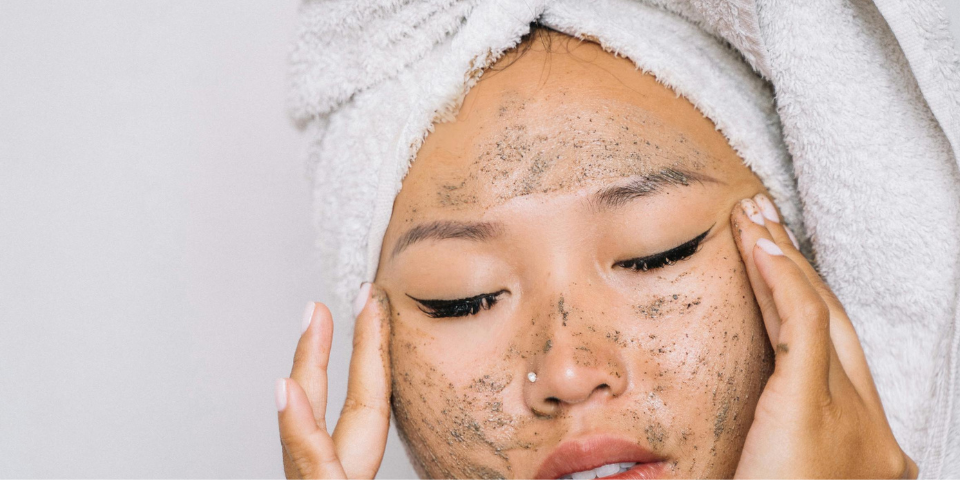
In today’s modern world, there are a million things that people have to keep up with. In all this chaos, it’s essential to take out some “me-time” for self-care. Everyone does it in different ways, be it visiting a spa for a facial or giving yourself one at home. Although the latter is quite relaxing and good for your mental health, we seldom indulge in it.
Why?
They can be a little pricey. Plus, you have to schedule the appointment, take out time for it and don’t forget the commute. So, the question begs itself: Is a DIY facial at home a good option?
Yes and no. While a DIY facial won’t live up to a professional facial, in terms of techniques and the experience, there are a couple of ways you can get the same results at home.
Let’s find out how:
Choose Products Based on Your Skin Concern and Type
When you are at a Medspa, the skincare pro giving you a facial is not just using OTC products. They analyze your skin and then choose special products that meet your skin’s needs. You might not have that magic touch, but you can make up for it by checking out the ingredients of a product before buying it.
With that being said, if you have a skincare routine, then you probably know your skin type. If not, and you have been going in blind with just moisturizers, there’s an easy way to get your answer.
The “Bare-Faced” Method
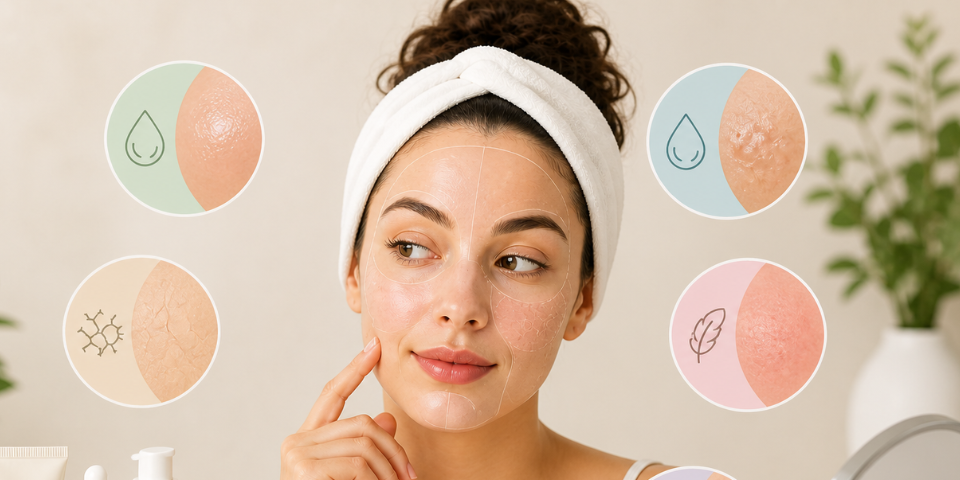
More commonly known as the “Wait & Watch” Method, this is a simple way to find out what your skin type is. All you have to do is thoroughly cleanse your skin, pat it dry with a soft towel and then wait 30 minutes to see how your skin responds.
Oily Skin
When the skin produces excess sebum, the face feels greasy and appears shiny, especially the T-zone: Chin, nose and forehead.
Dry Skin
Compared to oily skin, dry skin produces less sebum. Since sebum is responsible for lubricating the skin, the top layer suffers from moisture loss. This type of skin appears visibly flaky, scaly, dehydrated and dull. It often develops a rough texture, making the fine lines appear more vividly. Lastly, dry skin also becomes irritated and itchy.
Combination Skin
When some areas of your face are oily and other dry, you have combination skin. This means that the T-zone will be oily and your cheeks will be dry. Depending on your skin tone, you will see dry patches on your skin with a grayish hue. This is usually caused by hormone fluctuations or stress.
Normal Skin
Normal skin is neither dry nor oily. It’s well-hydrated, feels comfortable and smooth touch and is less prone to skin concerns, such as redness or acne breakouts.
Sensitive Skin
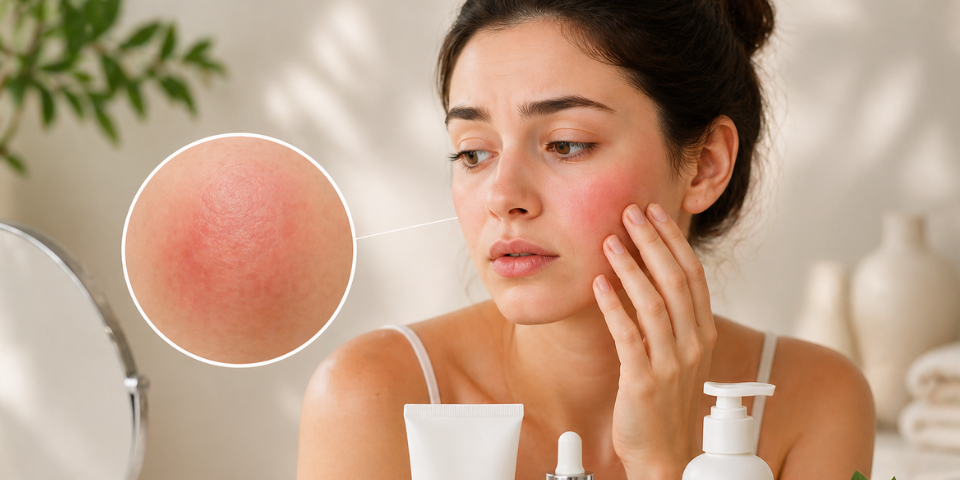
When it comes to sensitive skin, it is not defined by dryness or oil. It is simply sensitive to external irritants and is triggered by certain fragrances or products with harsh ingredients. As a result, it appears red and often stings when touched.
Invest in High-Quality Products
Quality ALWAYS counts when it comes to at-home facials. Remember, you won’t be giving yourself a facial often, perhaps once a month, so better invest in products that will give you lasting results. Use this thought process to splurge a little and get rich moisturizing masks, anti-aging serums, all-organic exfoliators and others that have a science-based formula.
Have a Ritual in Place
A great facial is not just about using multiple products, but the overall experience. So, take your sweet time and treat yourself. Pick a quiet spot in your house and turn it into an oasis. Here’s how you can do it:
- Add a small vanity of table where you can place all your skincare tools and products.
- Use a cushioned stool or a comfortable chair to sit upright for the treatments.
- Hang a mirror at eye level for better precision.
- Use organizers, small trays, or baskets to keep everything neat.
- Place reusable cloths or a towel for wiping and drying.
- Add soft lighting around the mirror to have a clear visual of your face.
- Use calming essential oils to enhance relaxation.
- Keep a trash bin nearby to keep the area tidy.
- Decorate with personal touches, such as candles, small plants, or other knick-knacks, for a mini-spa feel.
Try Out Some Tools
To add a little magic to your facial, use skincare tools. Here’s a list of tools you can buy:
- Facial Roller: Reduces puffiness and promotes circulation.
- Gua Sha Stone: Made of rose quartz or jade. Relax muscle tension by promoting lymphatic drainage.
- Microneedling Tool: Promotes collagen production.
Give Your Skin the Care It Deserves
Your skin and you work hard every day, and it’s high time they both earned some indulgence and relaxation. True, a professional facial is a great investment, but home facials will keep your skin glowing and healthy until such time you can visit a Medspa. So, whatever your budget allows, save some cash and treat yourself to a luxury facial at home with these tips.